
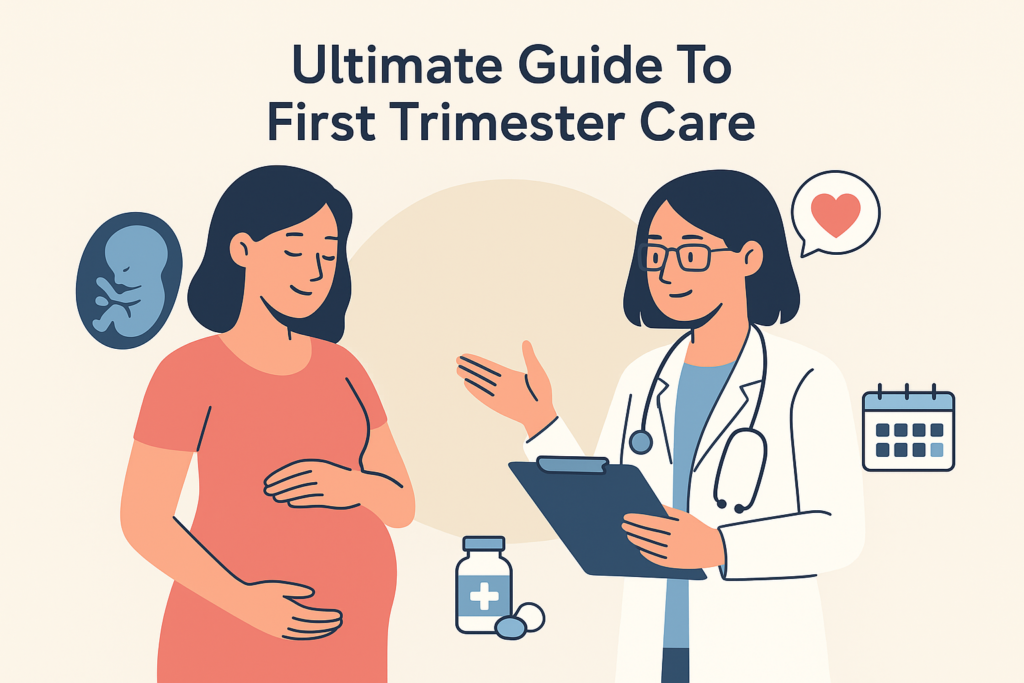
The first trimester of pregnancy is one of the most important phases in a woman’s journey to motherhood. These first three months lay the foundation for your baby’s healthy growth and development. Many women experience mixed emotions during this period joy, excitement, fear, and even confusion.
This guide will help you understand the essential diet, care tips, and key tests you should follow in the first trimester to ensure a healthy pregnancy.
Understanding the First Trimester
The first trimester includes the first 12 weeks of pregnancy.
During this time, your baby’s organs, heart, brain, spinal cord, and limbs begin to form.
Even though the baby is very small, rapid development is happening inside your body.
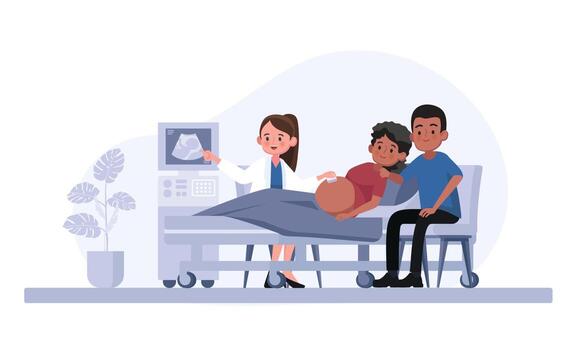
Many women experience:
• Morning sickness
• Fatigue
• Breast tenderness
• Mood changes
• Light cramps
• Food aversions
These are normal changes as your body adjusts to pregnancy hormones.
Important First Trimester Tests
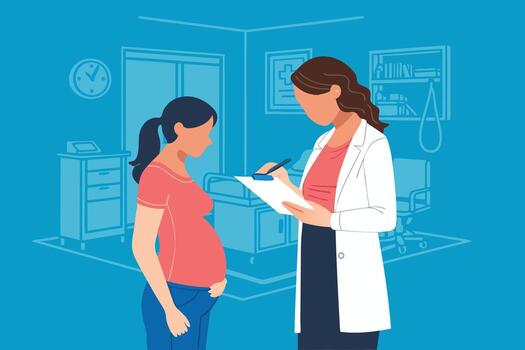
Regular check-ups with your gynaecologist are very important during this stage.
Some important tests include:
Blood Tests
• Complete Blood Count (CBC)
• Blood group and Rh factor
• Thyroid function test
• Blood sugar level
• Hepatitis B, HIV, and other screenings
Urine Tests
• Infection check
• Protein levels
• Sugar levels
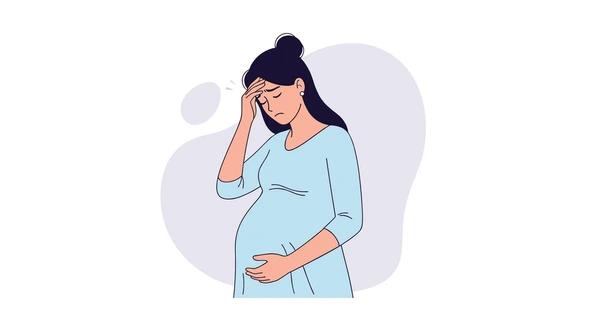
Early Ultrasound
• Confirms the pregnancy
• Checks baby’s heartbeat
• Estimates expected delivery date (EDD)
These early tests help ensure you and your baby are safe and healthy.
First Trimester Diet: What to Eat
Your diet plays a powerful role in supporting your baby’s growth.
You don’t need to “eat for two,” but you should focus on nutrition.
Foods You Should Include
• Fresh fruits and vegetables
• Whole grains such as wheat, oats, and millet
• Protein-rich foods like eggs, paneer, lentils, and sprouts
• Healthy fats like nuts, seeds, and avocados
• Milk and milk products for calcium
Folic Acid-Rich Foods
Folic acid helps prevent birth defects and supports brain development.
Include foods like:
• Spinach
• Broccoli
• Bananas
• Beans
• Oranges
Your doctor may also prescribe folic acid supplements in the first trimester.
What to Avoid in the First Trimester
Certain foods and habits must be avoided to protect your baby.
• Avoid raw or undercooked meat and eggs
• Say no to unpasteurised milk
• Limit caffeine (tea, coffee)
• Avoid smoking and alcohol
• Reduce packaged foods and soft drinks
• Avoid papaya (especially unripe) and pineapple
These foods can increase the risk of complications.
First Trimester Care Tips
Small changes in your routine can help you feel healthier and more comfortable.
Stay Hydrated
Drink at least 7–8 glasses of water daily.
Coconut water, lemon water, and fresh juices are good options.
Manage Morning Sickness
• Eat small meals
• Avoid oily and spicy food
• Ginger or lemon water can help
• Dry biscuits in the morning may reduce nausea
Rest Well
Fatigue is common due to hormonal changes.
Take naps if needed and sleep early.
Avoid Heavy Lifting
Do not lift heavy objects or perform strenuous physical activities.
Gentle Exercise
Walking for 20–30 minutes daily helps improve energy and reduces stress.
Warning Signs You Should Not Ignore
Contact your doctor immediately if you experience:
• Heavy bleeding
• Severe abdominal pain
• Dizziness or fainting
• Continuous vomiting
• Severe headache or blurred vision
• Sudden swelling in hands or feet
Early attention helps prevent complications.
Final Thoughts
The first trimester is the foundation of a healthy pregnancy.
With the right diet, proper care, regular check-ups, and medical guidance, this phase becomes smoother and safer.
Your body is working hard to create new life, so give yourself the love, rest, and care you truly deserve.