
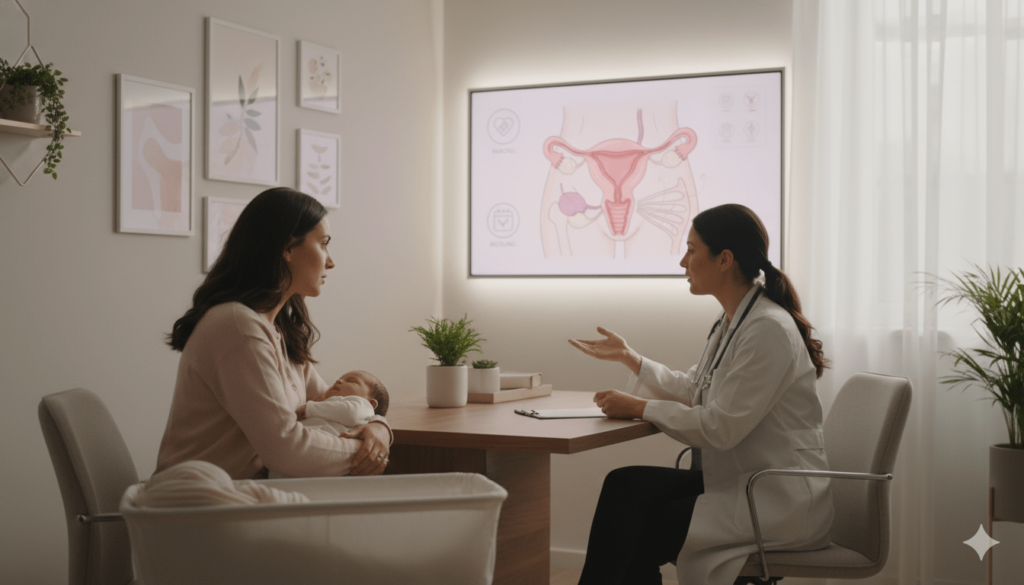
Bringing a baby into the world is a beautiful experience, but the postpartum journey brings many physical changes—especially in the vaginal area. These changes can be surprising, sometimes uncomfortable, and often raise concerns for new mothers. Understanding what’s normal and when to seek treatment is essential for physical and emotional well-being. Many women today turn to trusted healthcare institutions like the Fertility Centre in Junagadh, which offers expert postpartum guidance along with fertility and reproductive health services.
After childbirth, one of the most common changes women notice is vaginal laxity. The vaginal muscles naturally stretch during delivery, which can lead to a feeling of looseness, reduced sensation, or difficulty holding urine. While mild laxity typically improves within a few months, some women continue experiencing discomfort or weakened pelvic floor muscles. Clinics known as the best IVF center in Junagadh often provide pelvic floor therapy and non-surgical tightening options to support postpartum recovery, ensuring new mothers can regain strength safely.
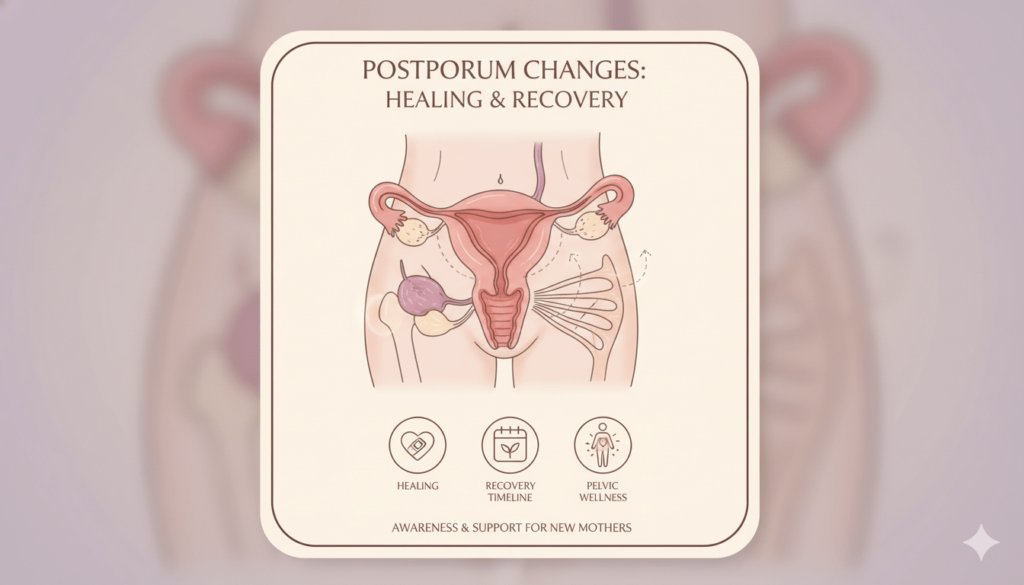
Postpartum dryness is another frequent concern, especially among breastfeeding mothers. Hormonal shifts—particularly lower estrogen levels—can cause dryness, irritation, or painful intercourse. These symptoms are normal but can affect confidence and intimacy. Doctors recommend lubricants, hydration, and sometimes estrogen-based therapies. Healthcare facilities offering ICSI treatment in Junagadh are also expanding their women’s wellness services, recognizing how important intimate comfort is for new mothers adjusting to postpartum life.
Swelling and soreness are also part of the healing journey. It’s common for the vaginal area to feel tender after childbirth, whether the delivery was natural or assisted. Stitches, tears, or episiotomy sites may take several weeks to heal. Cold compresses, warm baths, and proper hygiene can significantly ease discomfort. However, if swelling worsens or pain becomes severe, it may require medical attention. Many women visit centers like the Fertility Centre in Junagadh for postpartum check-ups to ensure healing is progressing normally.
Changes in vaginal discharge are also expected. The body sheds tissue and blood through a process called lochia, which can last four to six weeks after delivery. The discharge transitions from bright red to pink, then yellow, and finally whitish. While this is normal, foul odor, fever, or unusually heavy bleeding may signal infection. Clinics recognized as the best IVF center in Junagadh help guide new mothers on what’s normal and when a medical evaluation becomes necessary.
Pelvic organ prolapse is another condition that some women may experience postpartum. When pelvic floor muscles weaken, the bladder, uterus, or rectum may shift downward, causing pressure, heaviness, or bulging sensations. Mild prolapse often improves with pelvic floor exercises, but moderate to severe cases may need medical treatment. Specialists offering ICSI treatment in Junagadh frequently evaluate postpartum pelvic health, ensuring women receive early diagnosis and effective treatment options.
Pain during intercourse, or postpartum dyspareunia, is also common. Hormonal changes, dryness, breastfeeding, emotional stress, and healing tissue can all contribute. While temporary discomfort is expected, ongoing pain should not be ignored. Treatments such as laser therapy, vaginal moisturizers, physiotherapy, or hormonal support can restore comfort. Many women consult the Fertility Centre in Junagadh for personalized postpartum care plans that address both physical recovery and emotional well-being.
One of the most important aspects of postpartum vaginal health is pelvic floor strength. These muscles play a crucial role in bladder control, bowel movements, sexual health, and core stability. Whether due to prolonged labor, multiple deliveries, or natural weakening, pelvic floor strength often needs attention after childbirth. Clinics known as the best IVF center in Junagadh offer pelvic floor rehabilitation programs, including Kegel training, physiotherapy, and non-surgical tightening methods that help women regain confidence and daily comfort.
Infections such as bacterial vaginosis, yeast infections, or urinary tract infections can also occur postpartum. These may cause itching, redness, abnormal discharge, or burning sensations. Early diagnosis is key to treating them effectively. Healthcare centers that provide ICSI treatment in Junagadh also extend support for postpartum infections, ensuring new mothers receive complete and compassionate care under one roof.
Knowing when to seek treatment is essential for postpartum well-being. If a woman experiences severe pain, persistent bleeding, odor, incontinence, significant vaginal laxity, or symptoms affecting her daily life, a consultation with a specialist is recommended. With the expertise available at the Fertility Centre in Junagadh, mothers receive proper evaluations, treatments, and guidance during this delicate phase of recovery.
In conclusion, postpartum vaginal changes are natural and part of the body’s healing journey. However, understanding the difference between normal recovery and concerning symptoms empowers women to seek help when needed. With support from advanced healthcare facilities like the best IVF center in Junagadh and access to expert services such as ICSI treatment in Junagadh, new mothers can embrace recovery with confidence and care.